Navštívil som svojich priateľov Jordana a Cvete v bulharskom Plovdive. Bola to moja druhá návšteva tohto mesta, pričom prvýkrát som ho navštívil približne pred pätnástimi rokmi. Manželia ma už dvakrát navštívili na Slovensku a Jordan nedávno vytvoril grafiku na obálku mojej knihy Zlaté jablko: Povesť z Osturne.
Ľudské osídlenie v tejto oblasti siaha približne 8 000 rokov do minulosti, vďaka čomu patrí Plovdiv medzi najstaršie nepretržite obývané mestá v Európe. Mesto, ktoré bolo oddávna križovatkou medzi Európou a Áziou, priťahovalo obchodníkov, armády a cestovateľov. V priebehu stáročí bolo známe pod viacerými názvami vrátane Philippopolisu a Trimontia, ktoré odrážajú vplyv rôznych národov a ríš formujúcich jeho dejiny.
Dnes je Plovdiv po Sofii druhým najväčším mestom Bulharska s počtom obyvateľov 334 000. Množstvo žeriavov týčiacich sa nad panorámou mesta svedčí o jeho rýchlom raste. V samotnom srdci mesta však vládne čaro, ktoré mu dodáva takmer malomestskú atmosféru.
V meste sa nachádza množstvo ruín vrátane rímskych a ešte starších tráckych pamiatok. Okrem toho, že sme počas prechádzok míňali mnohé z nich, navštívili sme aj fascinujúce múzeum, ktoré stojí na mieste starovekej baziliky Philippopolis, vybudovanej na ešte starších stavbách. Obdivovali sme nádherne vytvorené rímske mozaiky položené na ešte starších, predkresťanských mozaikách. Ak niekedy navštívite Plovdiv, toto múzeum by ste si rozhodne nemali nechať ujsť.
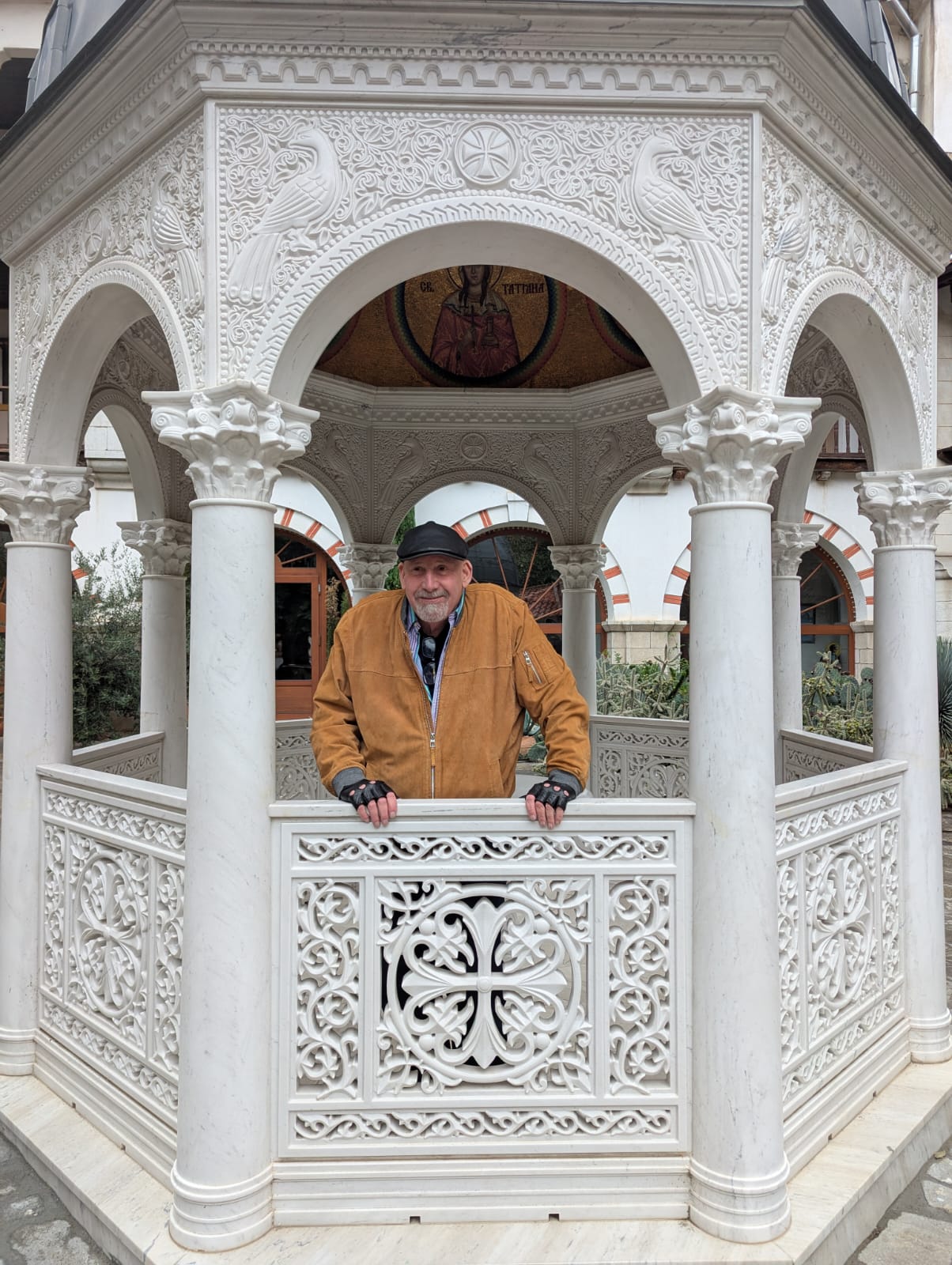
Vybrali sme sa aj na krátky výlet za mesto, do podhoria Rodopských vrchov, kde sme navštívili starobylý Bačkovský kláštor, ktorý dodnes slúži svojmu pôvodnému účelu. Vďaka početným lustrom, jemne vyrezávaným dreveným prvkom a detailne spracovanému ikonostasu pôsobí pomerne honosne, najmä na kláštor. Nedávno k nemu pribudol malý altánok, nádherná stavba z čistého bieleho mramoru, ktorej každý povrch zdobia precízne vytesané jemné ornamenty.
Ubytoval som sa v malom hoteli v štvrti zvanej Kapana, čo znamená „pasca“. Názov pochádza z úzkych uličiek, v ktorých sa človek ľahko stratí, a tak sa v tejto štvrti obrazne povedané ocitne v pasci. Kedysi tu sídlilo množstvo remeselníkov a majstrov, ktorých dielne a obchodíky premenili túto štvrť na významné obchodné centrum. Dokument zo 17. storočia spomína, že sa v Kapane nachádzalo až 880 obchodov.
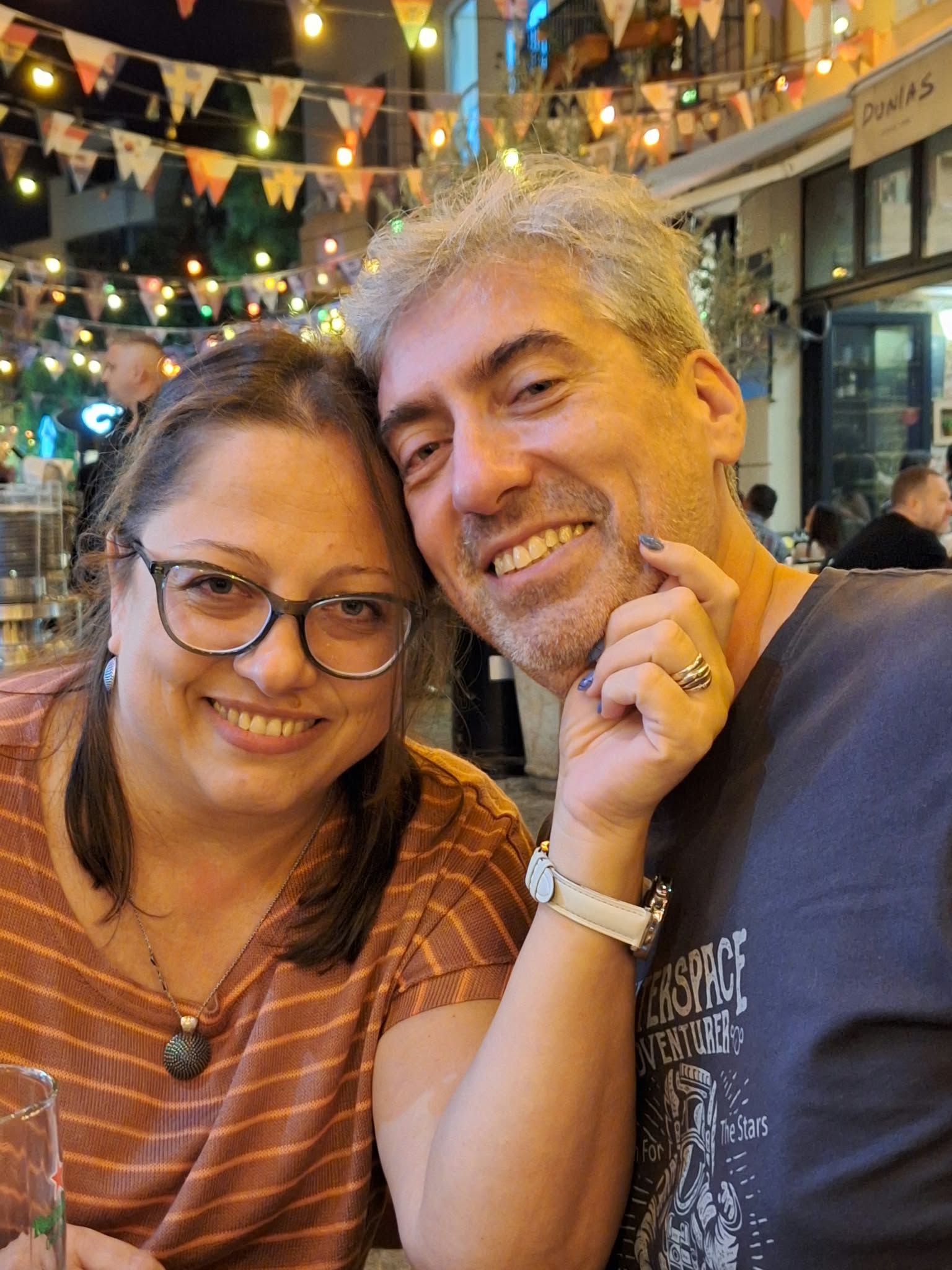
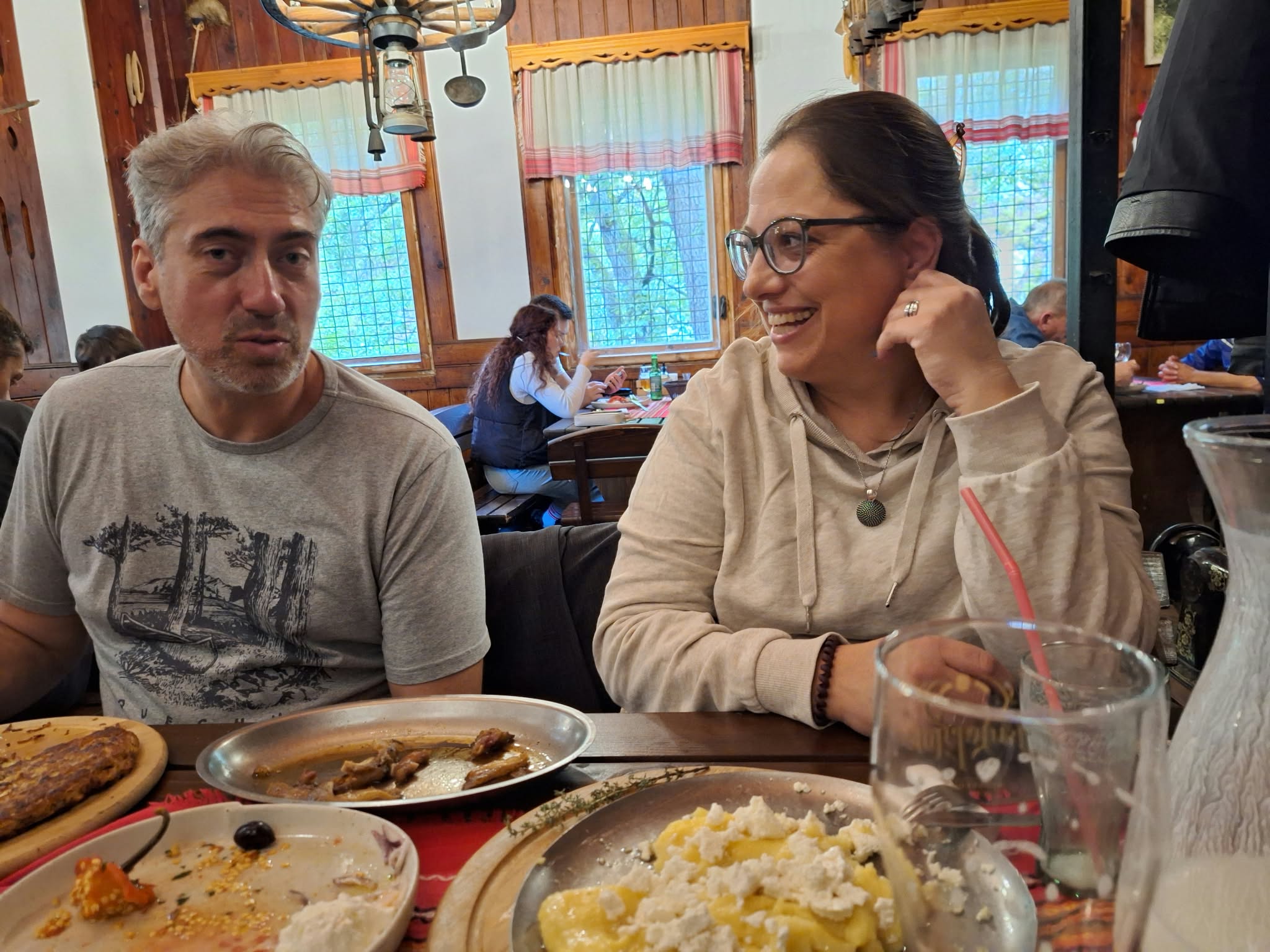
Jordan a Cvete boli pozornými hostiteľmi a vďaka nim bola moja návšteva nezabudnuteľná. Najviac si však odnášam domov obraz toho, akí sú spolu. Aj po dvadsiatich siedmich rokoch manželstva je ich hlboká náklonnosť stále zjavná. Človeku, ako som ja, to stačí na to, aby trochu žiarlil.
Môj výlet do Plovdivu
My Trip to Plovdiv
15. október 2026
October 15, 2026
Jordan a Cvete urobili môj pobyt nezabudnuteľným.
Jordan and Cvete made my visit unforgettable
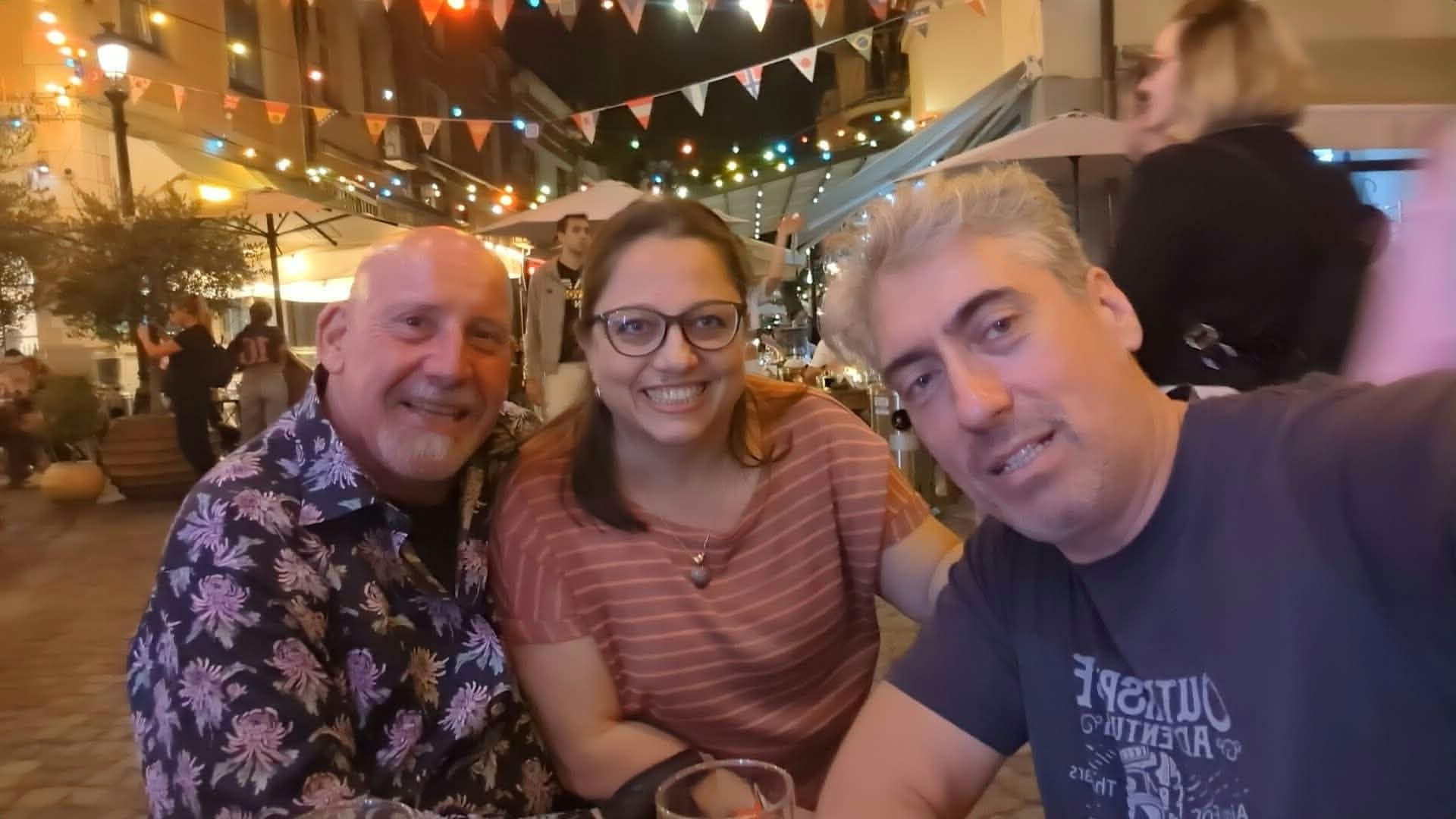
Jordan, Cvete, and me
Jordan, Cvete a ja
I visited my friends, Jordan and Cvete, in Plovdiv, Bulgaria. This was my second time, the first having occurred around fifteen years ago. The couple had visited me twice in Slovakia, and Jordan recently created the graphics for the cover of my book, The Golden Apple: A Tale from Osturňa.
Human settlement in the area dates back some 8,000 years, making Plovdiv one of Europe’s oldest continuously inhabited cities. Long a crossroads between Europe and Asia, the city drew merchants, armies, and travelers. Over the centuries, the city has been known by several names, including Philippopolis and Trimontium, reflecting the different peoples and empires that shaped its history.
Today, it is the second largest city in Bulgaria, after Sofia, with a population of 334,000. The numerous cranes rising high above the skyline attest to its rapid growth. But at the heart of the city, it gives off a charming, almost small-town, vibe.
There are many ruins throughout the city, including Roman and earlier Thracian ruins. In addition to passing many during our walks, we also went to a fascinating museum which sits on the location of the ancient Basilica of Philippopolis, itself situated upon more ancient structures. We admired beautifully crafted Roman mosaics laid over even older, pre-Christian mosaics. This is a museum you must visit if you go to Plovdiv.
A short ride out of the city into the foothills of the Rodope Mountains, we also visited the ancient Bachkovo Monastery, which remains in use today. With its numerous chandeliers, fine wood carvings, and a detailed iconostasis, it is quite opulent, especially for a monastery. A recent addition was a small gazebo, a magnificent structure of pure white marble, its every surface intricately chiseled into delicate designs.
I stayed in a small hotel in the quarter called Kapana, meaning ‘The Trap.’ The name is derived from its small narrow streets where one could easily get lost and hence ‘trapped’ in the quarter. Its streets were once home to numerous artisans and craftspeople, whose workshops and shops made the district an important commercial center. A 17th-century document mentions the existence of 880 shops in Kapana.
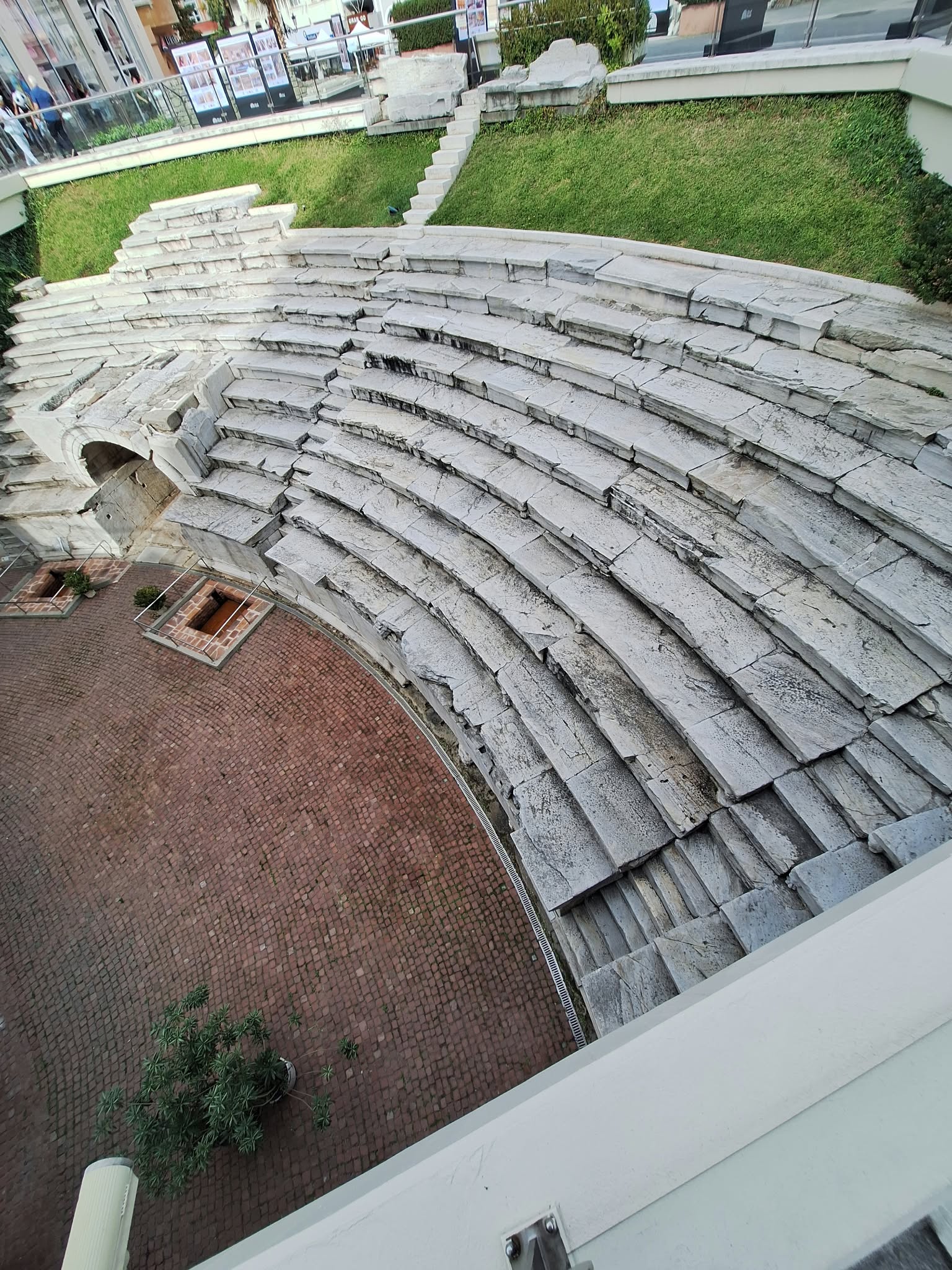
Roman ruins
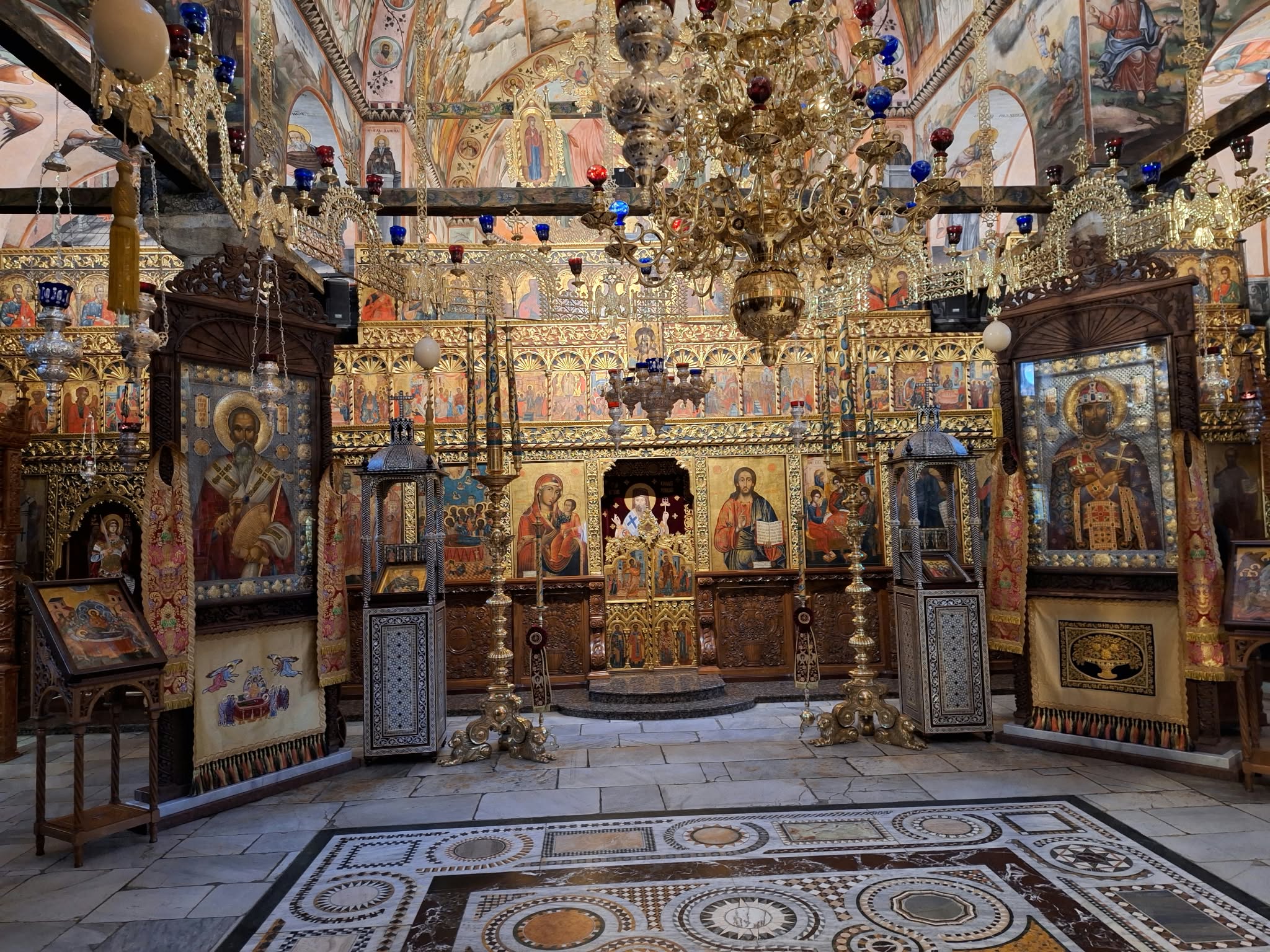
the monastery's iconostasis
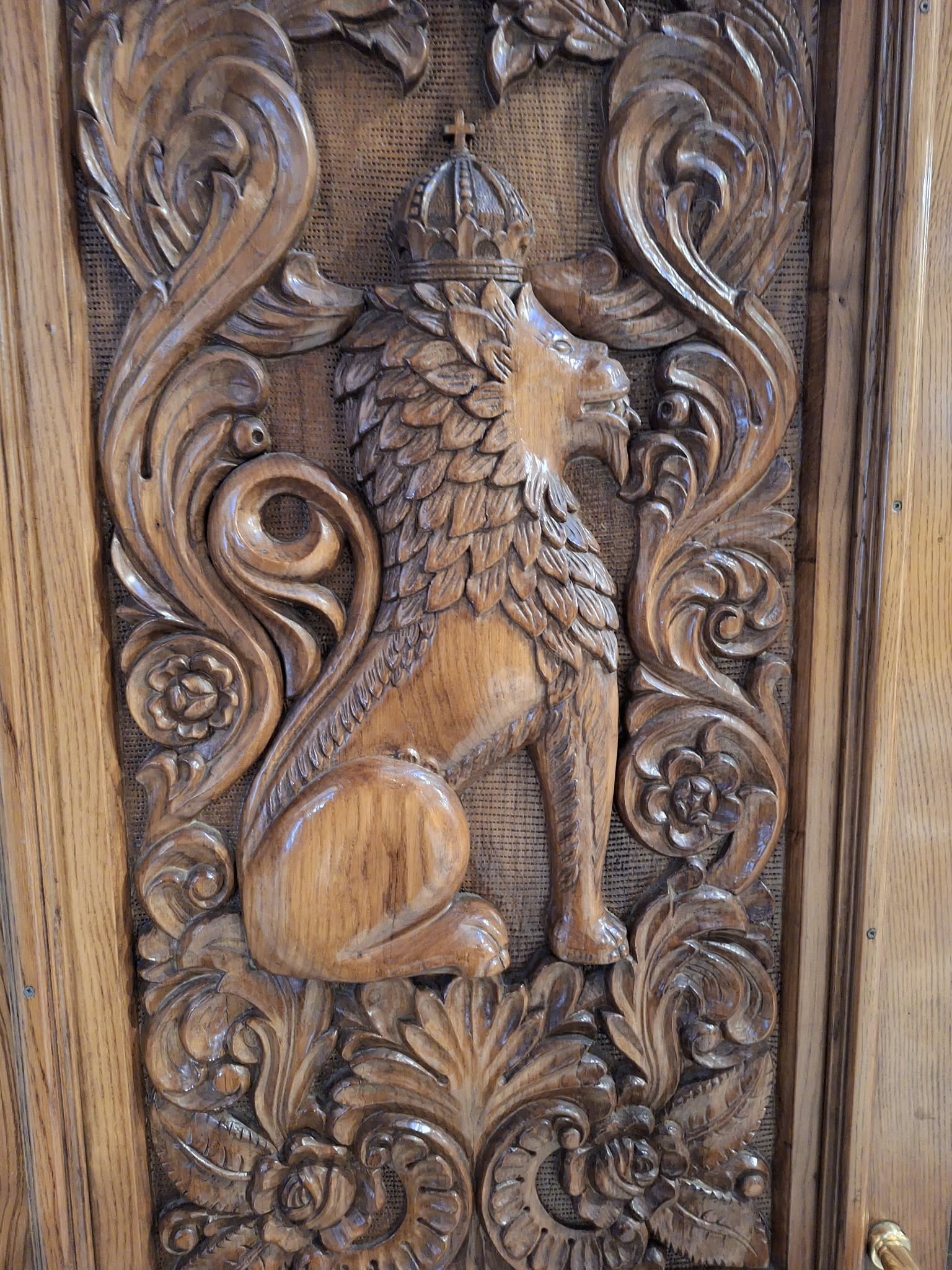
detailed wood carvings
the marble gazebo
Cvete and Jordan
Jordan and Cvete
Comments Komentáre