I haven’t been writing. Sure, I’ve had a few things I’ve wanted to write about. In late January, for example, I restarted work on a plan for mountain recreational activity. But by early February my enthusiasm for the project had melted along with the snow. I have also been working on bringing to fruition the translation of an 18th century book of home remedies from Osturňa that were apparently written by the renowned Monk Cyprian of the Red Monastery.
But it was the threat of war followed by the start of actual war on February 24 that shocked my sensibilities. Since then, I have had trouble concentrating and have been subject to bursts of tears and sobs. I’ve forced myself to limit the amount of news I consume, as it otherwise simply drags me into a world of despair.
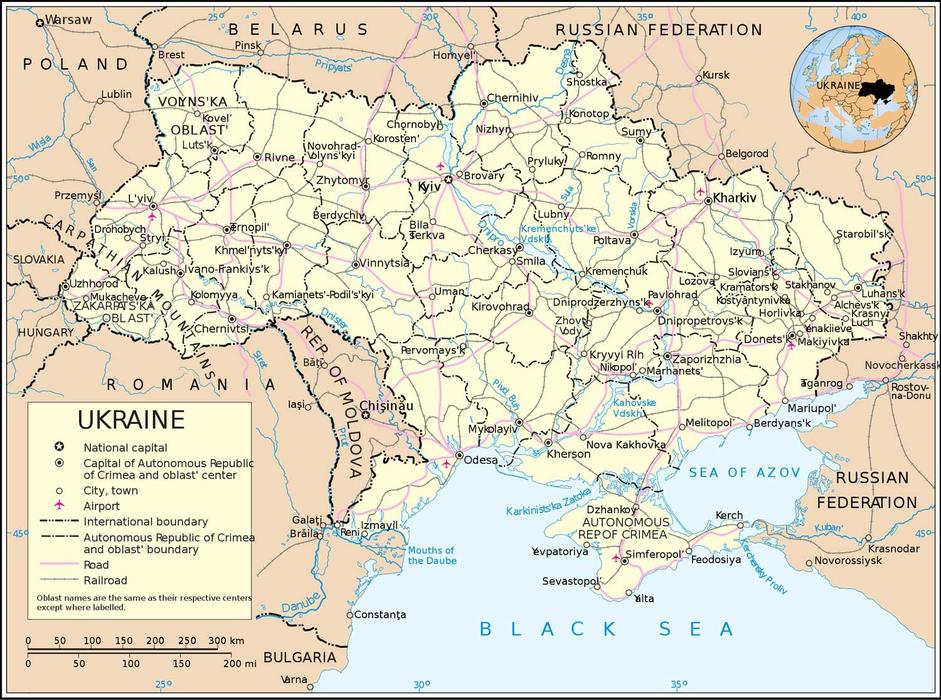
After feeling helpless, a friend in Poland wrote that she was awaiting Ukrainian arrivals traveling via Slovakia. I quickly offered to drive them from the border to Tychy, but the ride was ultimately unneeded. Later I read about a veterinary in Poland that was offering help to refugee pets arriving at the border. I wrote and asked how I could help. They offered me both their bank account number and a list of items they needed. After little thought, I arranged a babysitter for Poochini and, the following morning, I drove to Przemyśl with a load of donations I purchased along the way. It was an expensive and time-consuming day. I returned home tired and drained. But it was, at least, something.
Last week I read that Ukraine’s most famous living composer, Valentin Silvestrov, was now himself a refugee. Silverstrov wrote “Prayer for Ukraine,” an incredibly beautiful piece. The choral version is sung tenderly and with deep reverence. It is indeed prayerful and quite moving. The orchestral version, on the other hand, is haunting. The orchestra plays with a certain reserve, but also with a determination to convey a soulful plea from the heart. The orchestration includes two flutists using a technique I have never before experienced: acting more as percussion than woodwind, the flutists blow into their instrument without holding down any keys, causing air to flow through and out the instrument, producing only a gentle “woosh” of sound.
But what does this “woosh” represent? It could be a gentle wind blowing on a pasture where a lone person stands and offers a prayer for the safety of the village below. Or perhaps an airplane flying in the distance. Or far off artillery explosions. Or maybe it is God himself drawing up these prayers into the heavens? Perhaps it is all the above.
Each day of the war grows worse than the last, and I don’t know where it will end. It's h…