I hate New Year’s Eve. I hate end-of-year celebrations with alcohol-laden acquaintances whining about the terrible year they had and how much better the next one will be. I also hate – no, loathe! – the song Auld Lang Syne, both its melody and its nearly incomprehensible lyrics. But mostly what I hate about New Year’s Eve is the importance people place upon an entirely arbitrary date as a marker of time.
Did you ever wonder why the new year starts when it does? Why is the first of the year on the date that it is? True, the calendar is aligned with the lunar schedule. But why is it not aligned with either the equinox or the solstice, the sun cycles?
The answer is that the Romans were terrible at creating a calendar.
The Gregorian calendar, the one most of the world uses, was first introduced in 1582 by Pope Gregory XIII as a replacement to the Julian calendar which, due to its deficiencies, kept pushing Easter further away from the spring equinox. It is also the standard used today by computers to communicate data between systems, defined by the International Organization for Standardization (ISO) of dates and times: ISO 8601:2004.
The Gregorian calendar is a lunar-based calendar, with twelve months following the twelve moon cycles in a year. However, one would expect the first day of the year to be related to the solar calendar. This would give heightened meaning to the calendar and its representations. But it does not.
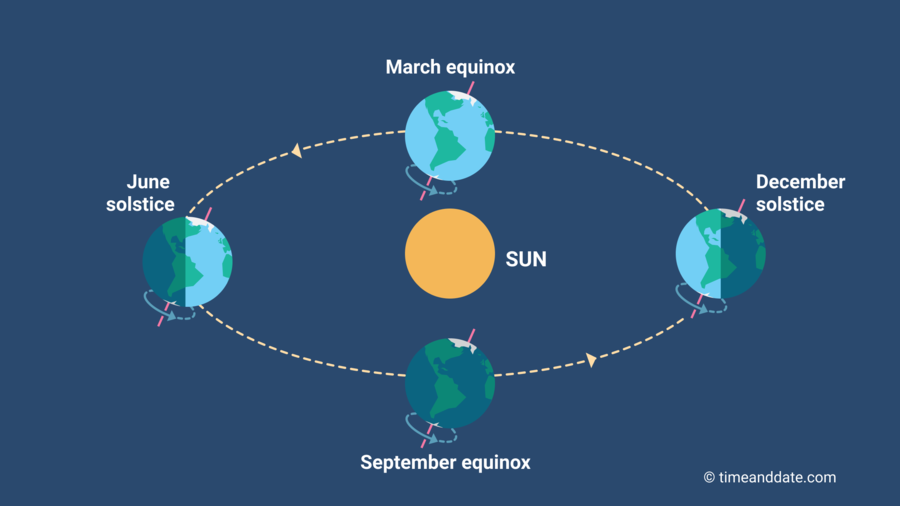
In my mind, the beginning of the new year should correspond to some kind of celestial event. We have four possibilities from which to choose:
- Vernal [March] equinox (between March 19 – 21)
- Summer [June] solstice (between June 20 – 22)
- Autumnal [September] equinox (between September 21 – 24)
- Winter [December] solstice (between December 20 – 23)
Among the four choices, I personally believe it would be most poetic to begin the new year on December 21, the winter solstice. Here we would have the longest night of the year to party, while the shortest days would begin the cycle of elongating until we reached the summer solstice. It would be like the rebirth of the earth. Somehow, I think the southern hemisphere would agree and adjust to the new calendar dates. September would hold their vernal equinox, while December would note the beginning of summer.
While we’re at it, we should discuss the names of the months. Note that November and December relate to the numbers nine and ten, although they are the eleventh and twelfth month of the year. This is due to the calendar that preceded the Julian calendar. Some Slavic languages already have different names for the months. The month of April, in Polish for example, is “kwiecień”, meaning “to blossom.”; whereas “listopad”, “falling leaves” refers to November. I think we could come up with some pretty good names if we tried.
I already have an idea. So, this year, I plan to celebrate my birthday on the 23rd of Thom.